

Paolo Staccioli: Echoes
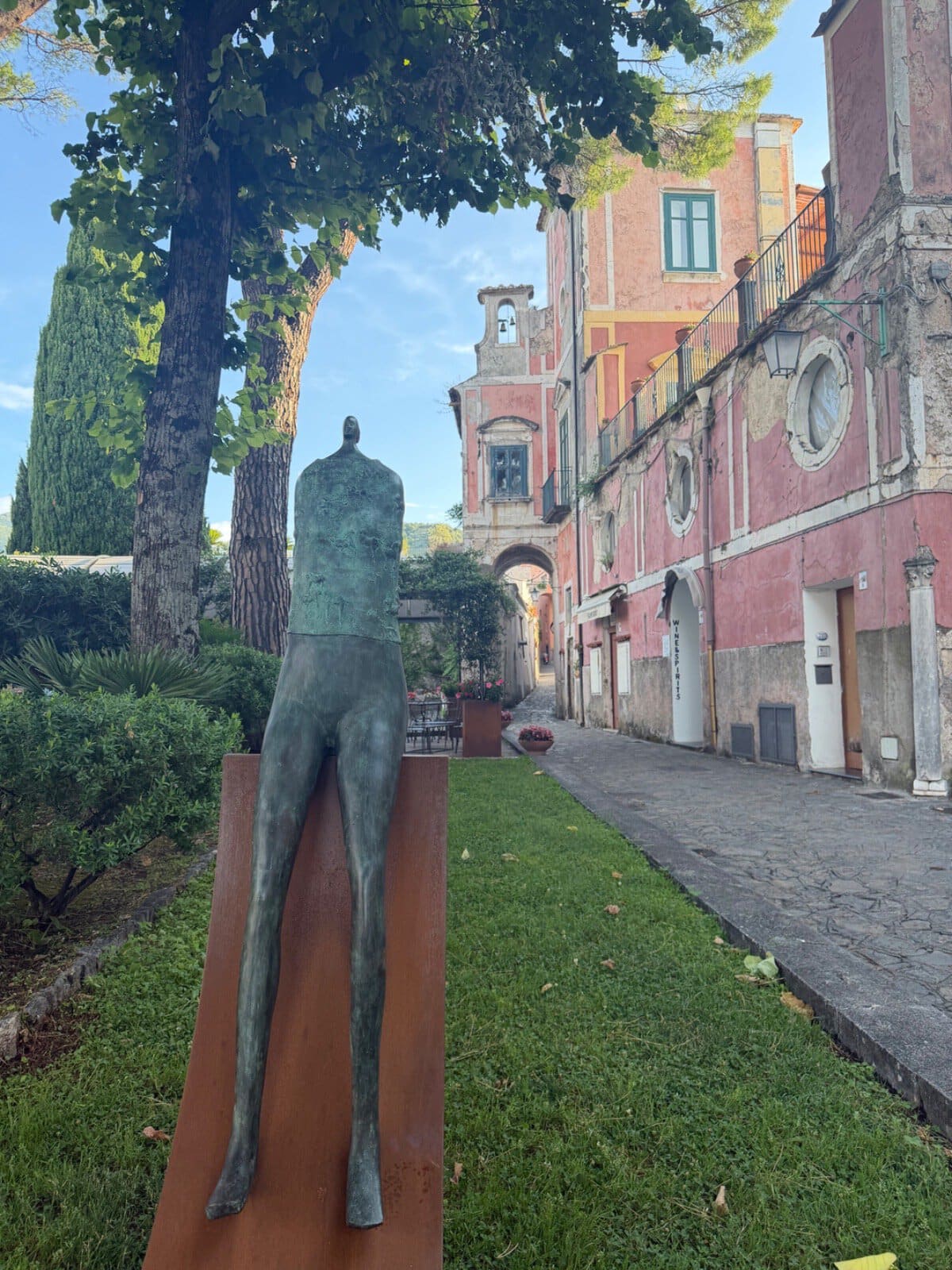
Far from the water yet constantly turned toward the sea, Ravello looks out from above with a watchful, quiet gaze. Its stones hold an energy shaped by introspection and presence, where a secular, inward spirituality coexists with a more intimate and contemplative one. Here, silence is not an absence but a living substance: it intertwines with art, meditation, and all that is conceived to endure. Ravello thus becomes a place where time does not simply pass—it is listened to.
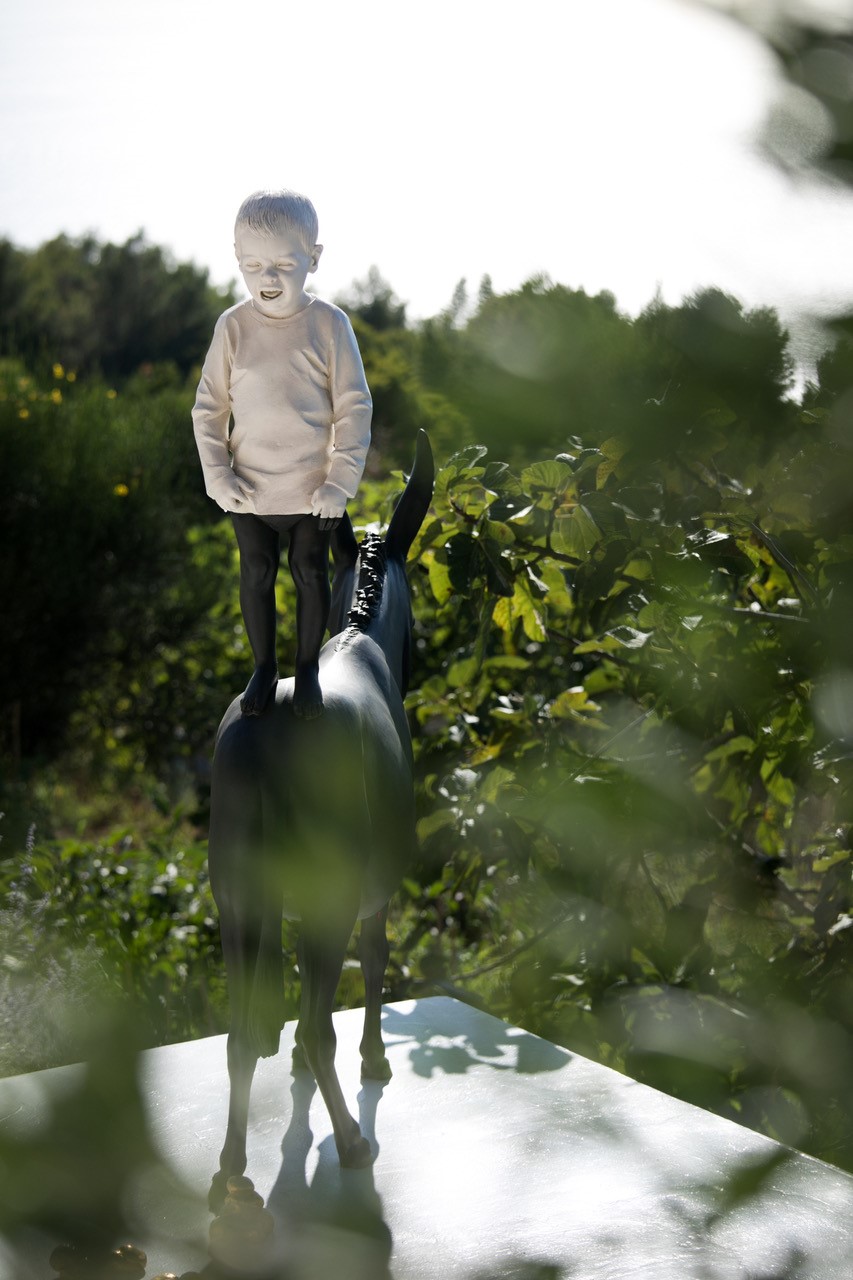
It is within this setting that Paolo Staccioli’s works find their place: sculptures deeply aware of their historical lineage, too profoundly lived to remain purely figurative. Their language is archaic and material, carrying the weight of history while confidently shedding the superfluous to focus on the essential.
Like Ravello itself, Paolo Staccioli’s sculptures preserve and embody a legacy that lingers and reflects. Their narrative is never declamatory: suspended in time, these figures seem to whisper their quiet admonition, looking toward the future without denying the past. This dialogue between Paolo Staccioli’s works and the town of Ravello speaks of coherence and suspension, of bronze and stone, of history and landscape.
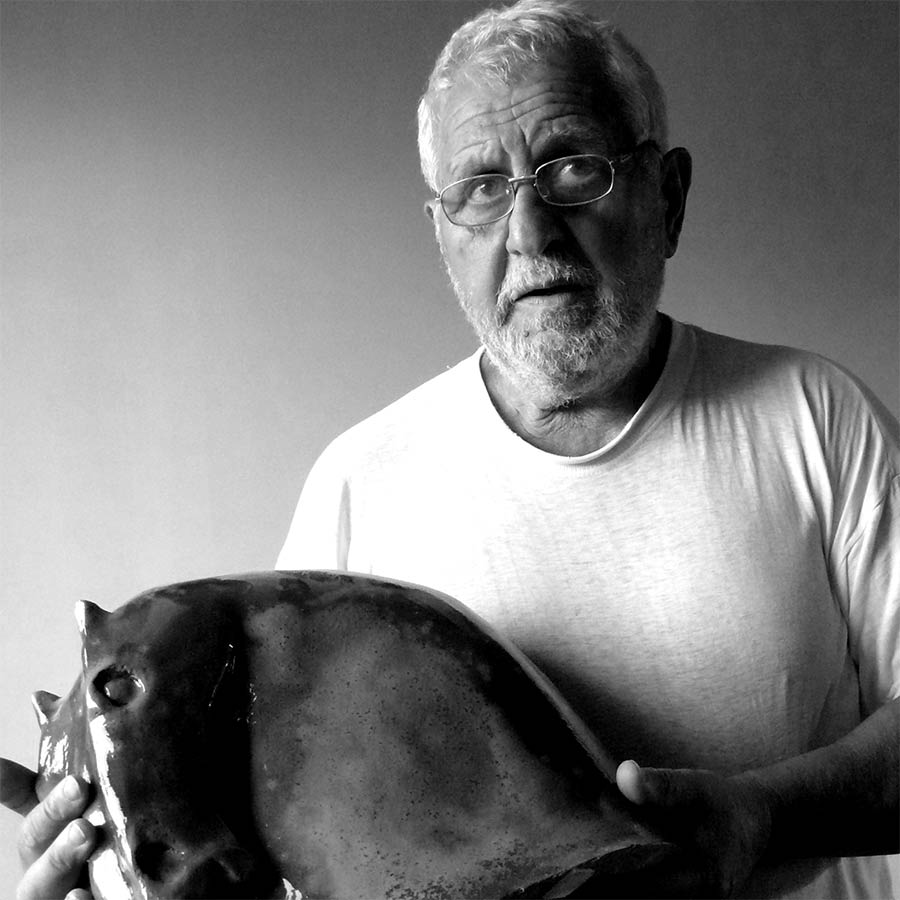
Paolo Staccioli is an Italian sculptor and ceramic artist, internationally renowned for his innovative approach to contemporary sculpture. Born in Scandicci, near Florence, he studied at the Art Institute of Florence and later worked as an art teacher while developing his artistic career. Since the 1970s, he has focused on sculpture, creating a distinctive visual language rooted in the Italian tradition of terracotta. His works, often featuring riders, horses, boats, and symbolic figures, explore themes of memory, identity, and the human condition. Staccioli also works in bronze, producing both intimate pieces and monumental public sculptures. His artworks have been exhibited in major museums and galleries in Italy and abroad and are included in numerous public and private collections. Today, he is regarded as one of the leading figures in contemporary Italian ceramic sculpture.